Pend is a people-first AI enablement platform.
Before any organization can build real AI capability, it needs to know where its people actually stand. That's what Pend does — systematically, in about 30 days.
Every organization is having the AI conversation. Most are still having it.
We built Pend because the thing holding teams back isn't access to tools or information — it's not knowing where their people actually are. You can't build shared capability on top of assumptions. The diagnostic fixes that.
What your team builds in the sessions is specific to your data, your people, and your situation. Not a framework someone else made. Not a policy lifted from another organization. The thing itself, built in the room, owned by the people who built it.
It's the root of pending, depend, suspend. In a world that moves faster every day, good decisions still require a moment of deliberate consideration. The diagnostic creates that moment. Everything that follows moves faster because of it.
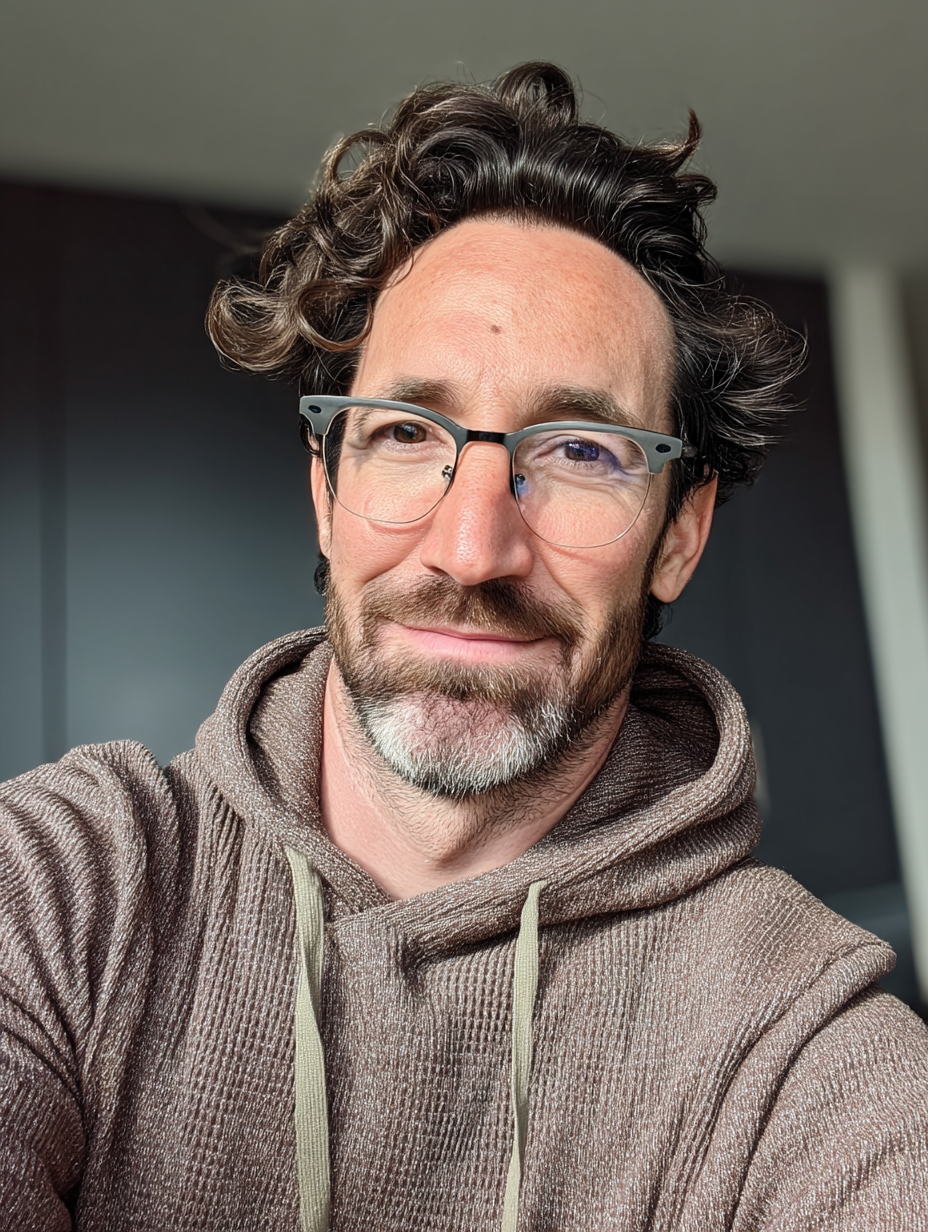
Patrick spent 20 years inside higher education, most recently as Director of Digital Teaching and Learning at Loyola University Maryland. He has lived every version of this problem from the inside — the governance debates, the trust issues, the gap between what leadership decides and what actually changes on the ground.
He is the editor of What Education Becomes: Teaching and Learning in a Post-AI World (2026) and author of Creating Transformative Online Communities in Higher Education.
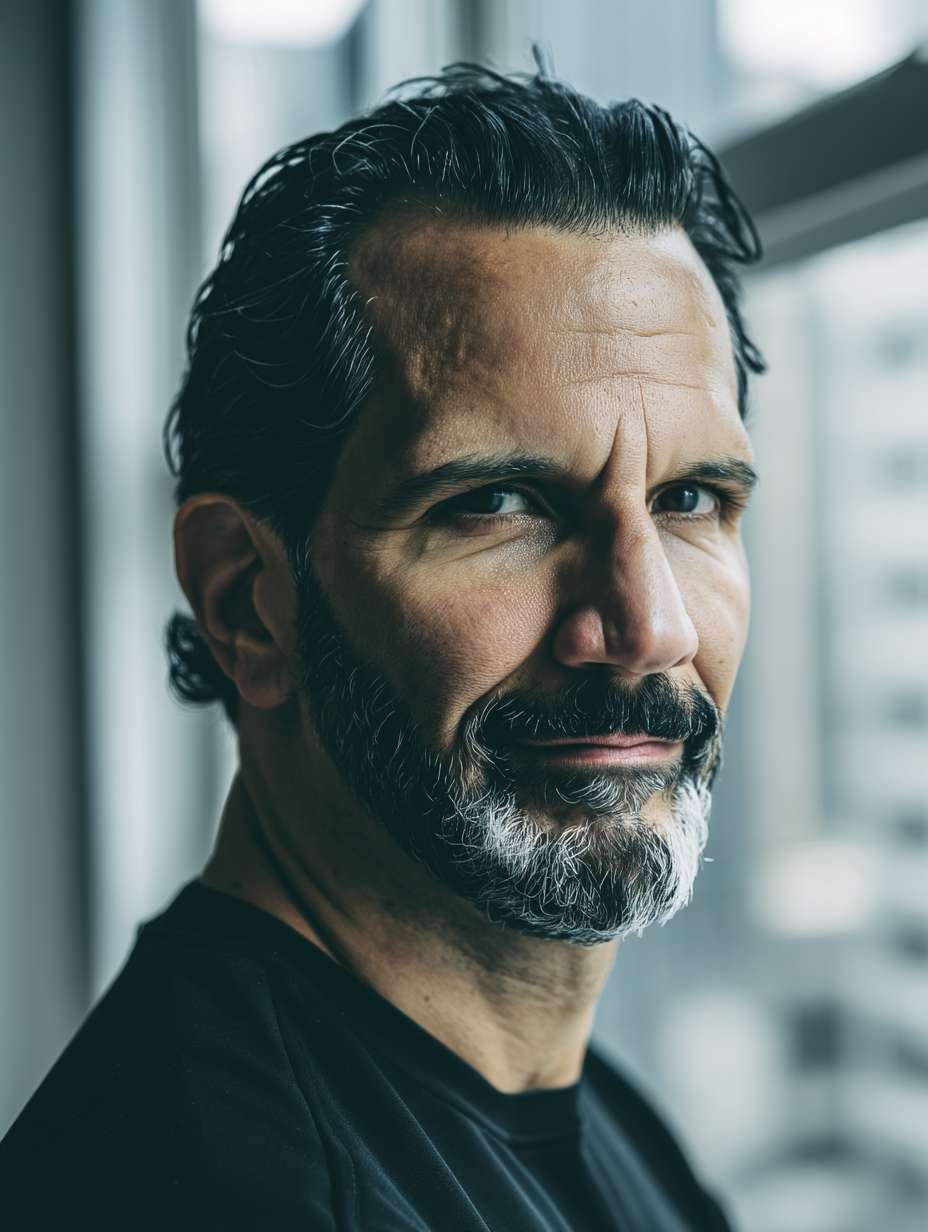
Barry scaled Equinix from $750M to $8B in revenue building enterprise AI and machine learning go-to-market programs at a moment when the technology was moving faster than most organizations could track.
The organizations that fell behind weren't missing the technology. They were missing an honest conversation about where their people actually stood. The ones that moved with confidence had that conversation first. The diagnostic makes that possible in two weeks instead of two years.
The question isn't whether AI will change how your team works. It already has. The question is whether you're building on what you know or what you're assuming.
One conversation to find out where you actually stand.
Get started →